
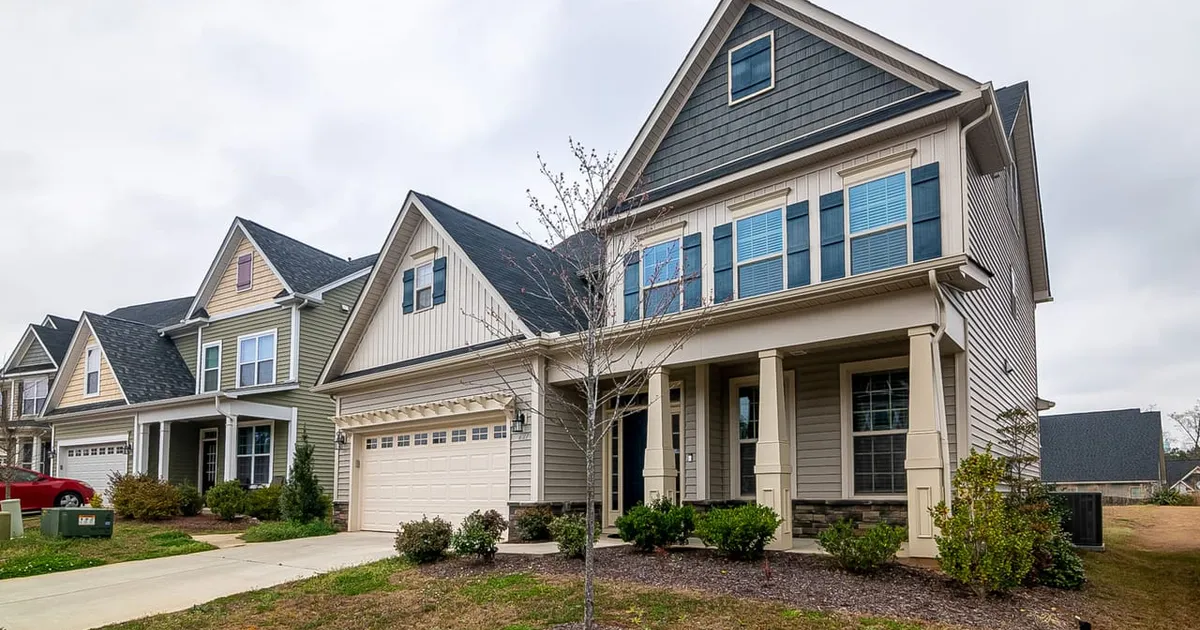
The renewal notice shows up in the mail and the number is just… higher. You didn’t file a claim. Nothing about the house changed. And yet the premium went up a few hundred dollars, again, like it does every year now. If you’ve felt that, you’re in good company. A CNBC survey in May 2026 found that 42% of homeowners say their insurance costs have gone up “a lot,” and the average homeowner paid around $2,500 for coverage this year.
Renters get hit too, just on a smaller scale. The typical renters policy runs about $23 a month in 2026, which doesn’t sound like much until you realize most people never once try to lower it.
Here’s the part nobody tells you: a lot of that premium is negotiable, or at least adjustable. You’re not stuck with the renewal number just because it landed in your inbox. Let’s go through the moves that actually move the bill, roughly in order of how much they’re worth.
Bundle the Home and Auto Policies (the Easy 10% to 25%)
If you have car insurance and home or renters insurance with two different companies, you’re probably leaving money on the table. Insurers want all of your business, so they pay you to consolidate it. Bundling a home and auto policy typically knocks 5% to 15% off your homeowners premium, and the auto side usually drops too.
Some carriers go bigger. Progressive says new customers who bundle home and auto save over 25% on average, as of 2026. That’s a real number on a real bill.
The catch is that the cheapest bundled price isn’t always cheaper than two separate best-in-class policies. Bundling discounts are tempting, but a company can pad the home premium, hand you a flashy discount, and still leave you paying more than you would with two standalone winners. Get the bundled quote, then price each policy separately before you sign. The discount only counts if the total actually drops.
Raise Your Deductible
This is the single biggest lever most people refuse to touch, and it’s usually a mistake to leave it alone.
Your deductible is what you pay out of pocket before insurance kicks in. The default is often $500 or $1,000, and raising it does two good things: it lowers your premium, and it pushes you to stop filing small claims that wreck your rate later (more on that below).
| Deductible change | Typical premium savings |
|---|---|
| $500 to $1,000 | around 25% |
| $1,000 to $2,500 | around 9% per year |
| $2,500 to $5,000 | varies, often another 5% to 10% |
Those figures are industry averages and shift by state and carrier, so treat them as a starting point. The honest tradeoff: a higher deductible only makes sense if you actually have the cash to cover it. Raising your deductible to $2,500 to save $200 a year is a bad trade if a $2,500 surprise would wreck you. This is exactly why a healthy emergency fund and a higher deductible work as a pair. The savings account absorbs the small stuff so insurance can cover the catastrophes, which is what it’s actually for.
Cash In on Security and Safety Discounts
Insurers love anything that lowers the odds you’ll file a claim, and they’ll pay you to install it. The savings stack, which is the part people miss.
Here’s the rough menu most carriers offer in 2026:
- Deadbolt locks: 2% to 5%
- Smoke and fire alarms: 5% to 10%
- Monitored burglar/security alarm: 5% to 15%
- Water leak sensors and automatic shutoff: often 5% or more
- Full sprinkler system: up to around 20%
A monitored alarm plus smoke and water sensors can stack into a 20% to 25% reduction on a renters policy, and meaningful savings on a homeowners one. Many of these are cheap or even free. A couple of $25 water leak sensors under the sink and behind the water heater can pay for themselves on the premium line alone, and water damage is one of the claims that raises rates the most, so you’re dodging that too.
What to watch for: the discount almost never shows up automatically. You have to call your agent, tell them exactly what you installed, and sometimes send a photo or a receipt. The device sitting on your wall does nothing for your rate until the insurer knows it exists.
Roof Age Is Quietly Driving Your Homeowners Rate
This one is huge and badly understood. Your roof is the single most-claimed part of your house, so insurers care a lot about how old it is and what it’s made of. Once a roof hits 15 to 20 years, premiums climb and some carriers start refusing to write new policies on it at all.
Flip it around and a newer roof can cut your premium meaningfully. Homeowners who replace a roof commonly see a 5% to 35% reduction, with the average landing around 20%, and impact-resistant or wind-rated shingles tend to earn the bigger discounts. In high-risk states the dollars get serious. In Florida, a new roof can shave 10% to 30% off a policy, which is often $500 to over $1,000 a year.
Two cautions here. First, replacing a roof to chase an insurance discount almost never pencils out on its own, since a new roof runs many thousands of dollars. The discount is a bonus when you’re already due for one, not a reason to do it early. Second, the savings aren’t automatic. Many insurers want documentation, sometimes a licensed inspector’s form, before they’ll apply the credit. If you’ve put on a new roof in the last few years and never told your insurer, that’s a phone call worth making today.
Re-Shop at Every Renewal
Loyalty is not rewarded in insurance. It’s quietly penalized. The company that wrote you a great rate three years ago has been nudging it up ever since, betting you won’t bother to leave.
So make them sweat. Every renewal, pull three or four fresh quotes before you accept the new number. Comparison sites and independent agents can run multiple carriers at once, and the spread between the cheapest and most expensive quote for the exact same coverage is routinely hundreds of dollars. We do this with car insurance for low-mileage drivers too, and the logic is identical: the only way to know you’re not overpaying is to check the market.
A few things to keep straight while you shop. Compare the same coverage limits and the same deductible across every quote, or you’re comparing nothing. A cheap quote with a sky-high deductible or a slashed dwelling limit isn’t a deal, it’s a trap. And check the insurer’s reputation for actually paying claims, not just the price, because the cheapest company that fights every claim is worth less than nothing when your basement floods.
Understand How Claims History Follows You
Here’s the thing about home insurance that feels almost unfair: filing a claim can cost you more in higher premiums than the claim ever paid out.
A single claim can raise your premium roughly 10% to 40% depending on your state and the type of damage. A second claim within a few years pushes that to 40% to 80%, and water damage, fire, and theft claims sting the most. File two in a short window and some carriers won’t renew you at all.
It gets worse. Your claims live in a database called CLUE (the Comprehensive Loss Underwriting Exchange), and they stay there for up to seven years, visible to any insurer you apply with even after you switch companies. Most carriers only surcharge your rate for three to five years, but the record itself sticks around. Worse still, even a phone call asking about a claim can get logged as an inquiry, so a “just checking” question can ding you without a dime ever being paid.
The practical takeaway: stop filing small claims. If your deductible is $1,000 and the damage is $1,400, swallowing the $400 difference yourself is almost always cheaper than the years of surcharges that follow. Save claims for the genuinely big losses, which is the whole point of insurance anyway. And pull your own CLUE report once (you’re entitled to a free copy) to make sure it doesn’t list claims that aren’t yours, because errors happen and they cost you real money.
A Few Smaller Levers Worth Pulling
None of these move the bill much on their own, but they add up and most take five minutes.
- Pay annually instead of monthly. Installment fees are quiet money, and paying in full often shaves a percent or two.
- Set up autopay and go paperless. Many carriers give a small credit for both.
- Check your credit-based insurance score. Most states let insurers price partly on credit, so the same habits that keep your credit healthy keep this premium lower.
- Drop coverage you don’t need. You insure the structure, not the land under it, so make sure your dwelling limit reflects rebuild cost, not your home’s market price.
One note on that credit point. If you’re working a rewards card or chasing a signup bonus, just remember that those welcome offers and APRs change constantly, so confirm the current terms on the issuer’s official page before you apply. A late payment chasing a bonus is the kind of thing that can quietly raise this bill too.
The Realistic Picture
You’re not going to undo every rate hike. Insurers are raising prices across the board as severe weather losses pile up, and that pressure isn’t easing in 2026. What you can control is whether you’re paying the going rate or paying a lazy-customer premium on top of it.
Bundle, lift the deductible to a number your savings can actually cover, claim every alarm and sensor discount you qualify for, tell your insurer about that new roof, and re-shop every single renewal. Do those five things and a few hundred dollars a year is a normal result, not a stretch. The renewal notice will still show up every year. It just doesn’t have to win.